Why Consistency Matters in Health Tracking
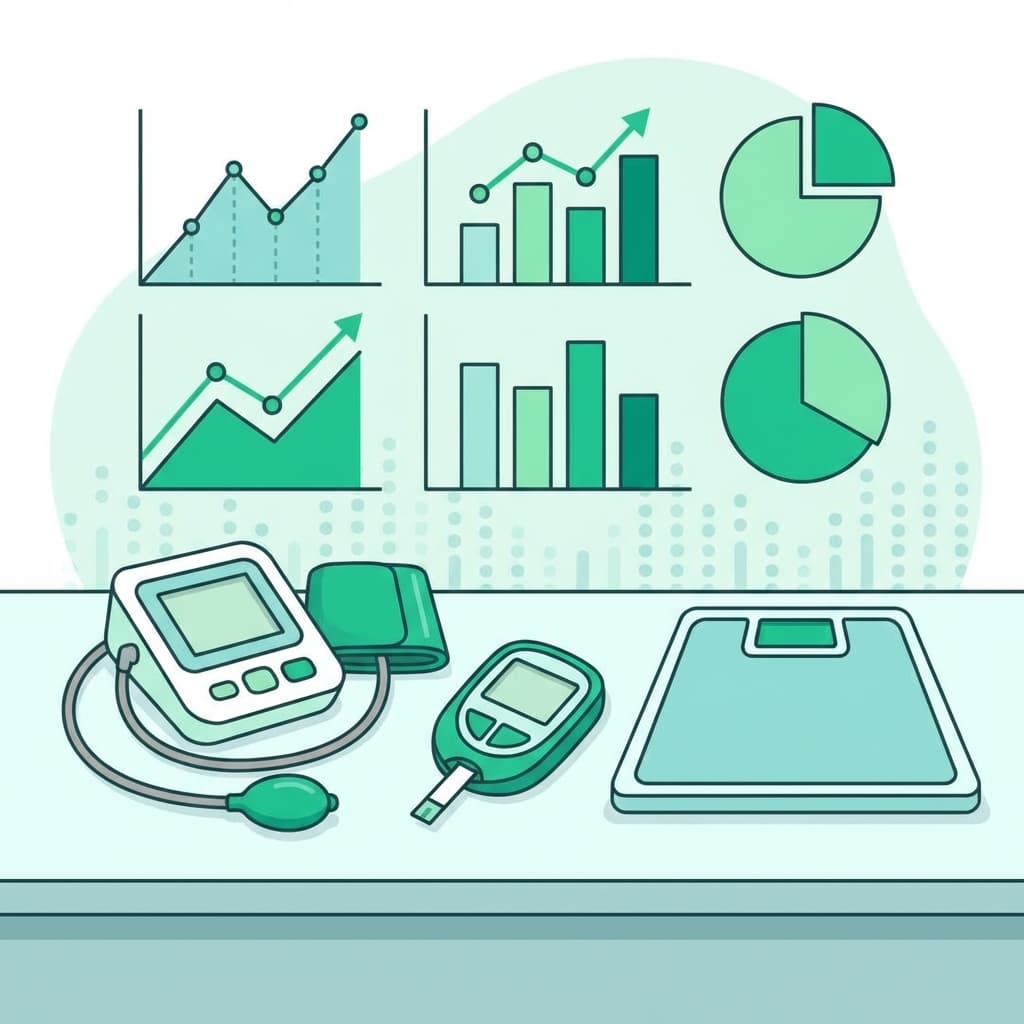
Many people approach health tracking with enthusiastic bursts of energy. They log every calorie, every sip of water, every step, and four blood pressure readings a day for seven days straight. Then life gets busy, fatigue sets in, and the app sits unopened for three months.
When they finally open it again to prepare for a doctor's appointment, they discover a scattering of random entries: two readings in October, one in December, and five in February.
Unfortunately, sporadic tracking is almost worse than no tracking at all. It generates anxiety without providing enough clinical signal to be useful.
Why Inconsistency Misleads Your Care
1. The Survival Bias of Symptom-Only Logging
When people track sporadically, they usually only log metrics when they feel unwell—when they have a headache, feel palpitations, or know they ate poorly. As a result, their historical log shows only abnormally high readings, leading their physician to believe their average baseline is dangerously elevated.
2. Blindness to Trigger Timing
Health patterns are temporal. If your blood pressure spikes on Thursday mornings, is it related to poor Wednesday sleep, Tuesday evening takeout, or Thursday morning work meetings? Without regular daily entries, establishing trigger-response relationships is impossible.
The Concept of the "Minimum Effective Dose"
You do not need to log twenty data points a day to transform your health. You only need the minimum effective dose executed with steady rhythm:
- For Blood Pressure: One resting reading in the morning, 4 to 5 days a week.
- For Diabetes/Pre-diabetes: Fasting glucose upon waking, plus alternating post-prandial checks.
- For Weight: Either daily with a rolling weekly average, or once every Wednesday morning.
- For Symptoms/Mood: A 10-second check-in before bedtime.
How to Build Lifelong Consistency
1. Habit Stacking
Attach your health check-in to an unbreakable existing daily anchor:
- *"After I turn on the coffee maker in the morning, I will put on my BP cuff."*
- *"When I set my phone on the nightstand to charge, I will log my daily symptoms."*
2. Remove Environmental Friction
Keep your glucometer or blood pressure monitor visible on your bedside table or bathroom counter—not tucked away in a zippered pouch at the back of a closet drawer.
Perspective: Thirty consecutive days of simple, steady tracking will teach you and your doctor more about your body than five years of erratic, occasional testing.