How to Track Blood Sugar Correctly at Home
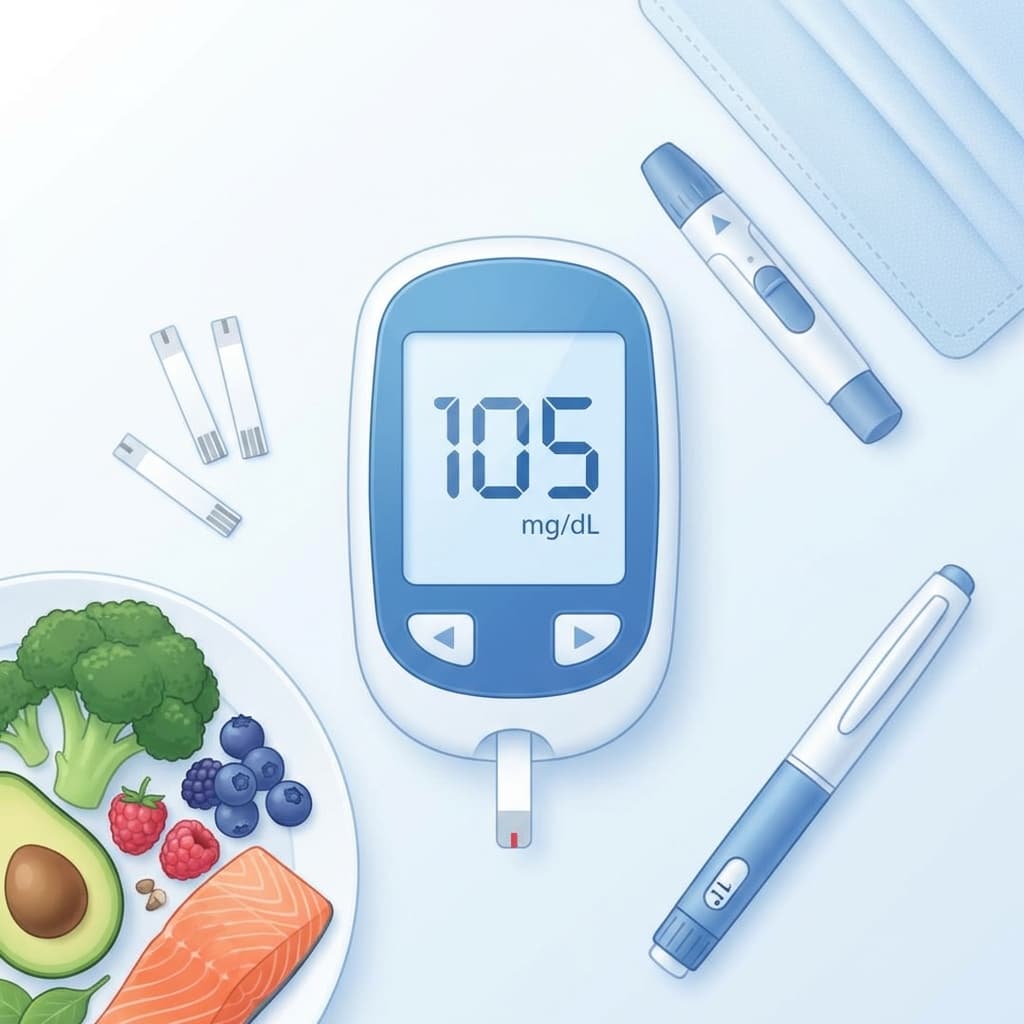
If you manage diabetes or prediabetes, your glucometer is one of your most critical tools. The numbers on that small screen dictate what you eat, how you dose medications, and how you feel about your health.
Yet clinical studies indicate that over 60% of home glucometer users regularly make simple procedural mistakes that artificially inflate or depress their glucose readings by as much as 15% to 30%.
Here is the exact, physician-approved protocol to ensure your home blood sugar tracking is precise, reliable, and painless.
1. The Critical Handwashing Step (Skip the Alcohol Wipes!)
The single most common culprit behind mysterious glucose spikes is residual sugar on fingertips. If you peeled an orange, handled an apple, or used scented hand cream an hour ago, microscopic fructose or glycerin residue remains on your skin. When you prick your finger, that sugar dissolves into the droplet, producing a falsely sky-high reading.
- Do: Wash your hands thoroughly with warm water and ordinary plain soap, then dry completely with a clean towel. Warm water also stimulates peripheral capillary blood flow!
- Don't use alcohol wipes: Rubbing alcohol dehydrates the skin over time, causes calluses, and if the alcohol is not 100% evaporated before the stick, it chemically dilutes the blood drop.
2. Puncture Technique: Side of the Finger, Never the Pad
The center pads of your fingertips contain dense clusters of sensory nerve endings. Pricking directly on the pad causes unnecessary pain, tenderness, and long-term callusing.
- Aim for the sides: Pierce the fleshy outer sides of your fingertip, halfway between the nail bed and the center pad.
- Rotate fingers systematically: Use all ten fingers throughout the week to give your capillaries time to rest and heal.
3. Avoid "Milking" or Forcibly Squeezing Your Finger
If you squeeze your finger hard to force a reluctant drop of blood out, you are not just getting blood—you are forcing interstitial fluid out of surrounding tissues. This fluid dilutes the blood sample and causes inaccurate, erratic readings.
- If the blood drop does not form readily, let your hand dangle below heart level for ten seconds before testing to allow gravity to assist blood flow, or warm your hands under warm running water.
4. When Should You Actually Test?
Fasting (Upon Waking)
Test immediately after getting out of bed, before eating, drinking anything other than water, or starting morning exercise. This establishes your metabolic baseline.
2 Hours Post-Meal (Postprandial)
Start your 2-hour timer from your first bite of the meal, not when you finish eating. This captures the peak glycemic impact of the food you consumed.
Pro Tip: Keep your test strips stored tightly sealed at room temperature. Heat, humidity, and exposure to open air rapidly degrade the glucose oxidase enzymes inside test strips.